
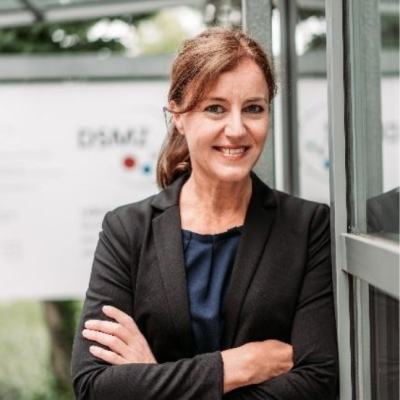
Cecilia G. Flocco
Leibniz Institute DSMZ, Germany
Biography
Dr. Cecilia G. Flocco is an interdisciplinary scientist, research manager, and policy advisor working at the intersection of biotechnology, environmental sciences, and cultural heritage research. She currently holds a dual role as a Senior Research Scientist in the Department of Microbial Ecology and Diversity Research and as the Science Officer of the Leibniz Institute DSMZ-German Collection of Microorganisms and Cell Cultures GmbH (Braunschweig, Germany), one of the largest biological resource centers worldwide. She also serves as an elected member of the Board of Directors of the Federation of European Microbiological Societies (FEMS).
Dr. Flocco´s research focuses on the dynamics of microbial communities in extreme environments and niche habitats -ranging from polar regions (Antarctica) to cultural heritage materials- and on advancing innovative approaches to cultural heritage science and biotechnological applications. In her managerial capacity, she spearheads interdisciplinary research collaborations and fosters international networks and partnerships.
Tentative Title:
Microbiomes of Cultural Heritage: Inferring Human Impact on Collections in a Changing Environment
Session/Panel Summary and Proposed Speakers:
From Sculptures to Sourdough: Microbial Legacies in Cultural Heritage
Chairs: Dr. Nikola Unković and Dr. Cecilia G. Flocco
This interdisciplinary session explores the diverse and interconnected dimensions of microbial cultural heritage interplay, bringing into dialogue scientific experts and practitioners who will present state-of-the-art research and emerging methodologies. These contributions reveal how microorganisms shape, transform, and preserve cultural heritage objects and shed light on the role microbes in traditional food and beverage production processes passed down through generations.
The program begins with classical cultural-heritage microbiology, highlighting recent advances in understanding biodeterioration processes, characterizing historical microbiomes, and developing innovative strategies for bioconservation and biorestoration of cultural objects. These perspectives illuminate both the risks posed by microbial activity and the opportunities offered by microbiological insights to safeguard material heritage and support the health and safety of conservators and heritage professionals.
The session also broadens the concept of heritage to include microbial-based traditional foods and beverages production practices, viewing microbes as carriers of cultural memory. Presentations will examine region-specific microbial consortia and fermentation practices that sustain culinary traditions and contribute to the identity, continuity, and diversity of intangible cultural heritage.
By bridging research on the microbiology of cultural heritage objects with the exploration of microbial legacies bound to traditional foods and beverages production, this session invites participants to reconsider the role of modern microbiology in shaping, interpreting, and sustaining cultural heritage in all its forms.
Invited talks:
Dr. Nikola Unković, University of Belgrade – Faculty of Biology, Department of Algology and Mycology, Serbia
The air we breathe, the heritage at risk: A 20-year research journey toward standardized air-quality guidelines in Serbia.
Dr. Cecilia G. Flocco, Leibniz Institute DSMZ-German Collection of Microorganisms and Cell Cultures GmbH, Germany.
Microbiomes of Cultural Heritage: Inferring Human Impact on Collections in a Changing Environment.
Pillar and Topic/Subtopic:
Pillar.2 Environmental Innovations & Sustainable Solutions. 2.1 Applied and Environmental Science. 2.1 A. From Ancient to Innovative: Microbial Solutions for Sustainability and Cultural Heritage


